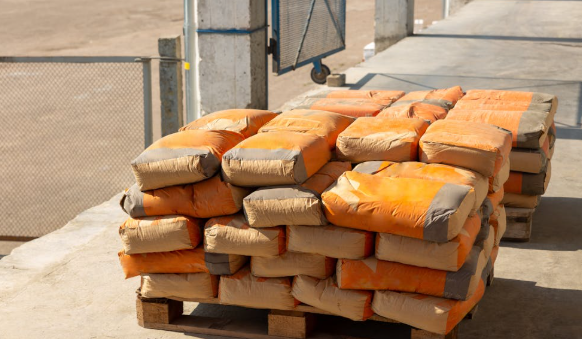
Choosing the right cement really feels like one of those “small decisions” that turns into a big deal later. Like, in any construction project, whether it’s a regular house, a retail building, an industrial setup, or even big road and bridge type work, the cement you pick is going to change the strength, durability, and the whole life span of the structure.
In India, two of the most common cement options you’ll keep seeing are Ordinary Portland Cement, aka OPC, and Portland Pozzolana Cement, or PPC. They kind of do the same basic job, but the way they are made, how they perform, how fast they set, and where they’re best used … all that is different. Knowing the differences can help homeowners, contractors, and builders choose better without guessing too much.
OPC Cement: what it means
Ordinary Portland Cement, or OPC, is one of the older, tried and trusted cement families in construction. It is made by grinding clinker along with gypsum, so you get a cement that tends to hit early strength fairly fast and sets relatively quickly.
OPC comes in grades like 33, 43, and 53 grade cement. Among these, 53-grade OPC is often the go-to for jobs that need higher early strength and quicker construction cycles.
A big reason why OPC stays popular is its ability to develop strength in a short window of time. That’s why it fits well when project speed and early structural performance are the priority.
Key traits you get with OPC
OPC cement brings a bunch of benefits for tougher construction needs, and it shows up especially where timelines are tight.
It develops strength rapidly, so the structure can reach load-bearing capacity quicker. This is useful in big infrastructure projects, and also in high-rise buildings where delays are costly, and the schedule is not really forgiving.
OPC is also known for consistent quality. Even with different site conditions, it generally delivers reliable performance, which is why many builders lean toward OPC when early strength is the top concern. Also, OPC provides strong compressive strength, so it works well for reinforced concrete elements that must handle heavy loads.
Where OPC is usually used
OPC is commonly selected for works that need quick timelines and strong early strength. You’ll see it used in high-rise buildings, bridges, flyovers, industrial construction, precast concrete products, road laying, and large commercial developments.
Since OPC sets faster, it helps a lot in projects where formwork removal must happen early , or the schedule says you can’t wait.
PPC cement: what it is
Portland Pozzolana Cement, PPC, is produced by combining Ordinary Portland Cement clinker with pozzolanic materials like fly ash, volcanic ash, or silica fume.
Adding these materials improves durability, and supports better long-term performance. It also has a more “environment-aware” angle since it reduces reliance on only raw clinker inputs.
In India, PPC has gained real attention because it handles different climatic situations well, and it’s often considered suitable for residential construction.
Many homeowners today also prefer PPC because they expect better durability, and in many cases it can be cost-effective too, not only premium.
Advantages of PPC cement
The biggest upside of PPC is long-term strength gain. In the beginning, it usually builds strength slower than OPC, but over time it can deliver better durability overall.
PPC also tends to resist sulphate attacks, chloride penetration, and moisture damage in a stronger way. Because of that, it’s a good pick for structures that face tough environmental exposure.
Another benefit is smoother workability. PPC mixes more easily with concrete and mortar, so the process feels less hard, and there’s usually less labor hassle.
From the environment angle, PPC is often called a greener alternative since it uses industrial by-products like fly ash, helping lower the overall carbon footprint of cement manufacturing.
Best use cases for PPC
PPC cement is pretty flexible, so it fits many types of construction activities.
It is used a lot in residential housing, mass concreting, dams, canals, retaining walls, marine works, water tanks, and foundations.
Because PPC has good resistance to moisture, it can be ideal for places with heavy rainfall, coastal areas, or high humidity levels, where water exposure is basically part of the daily reality.
OPC vs PPC Cement: detailed comparison
| Feature | OPC Cement | PPC Cement |
| Composition | Clinker and Gypsum | Clinker, Gypsum, and Pozzolanic Materials |
| Strength Gain | High early strength | Gradual strength development |
| Setting Time | Faster setting | Slower setting with better workability |
| Durability | Good | Excellent |
| Water Resistance | Moderate | High |
| Chemical Resistance | Standard | Superior |
| Heat of Hydration | Higher | Lower |
| Environmental Impact | Higher carbon footprint | Eco-friendly and sustainable |
| Cost | Slightly expensive | More economical |
| Best Applications | High-rise buildings, bridges, precast works | Housing projects, dams, foundations, marine structures |
Which Cement performs Better in Indian climatic Conditions?
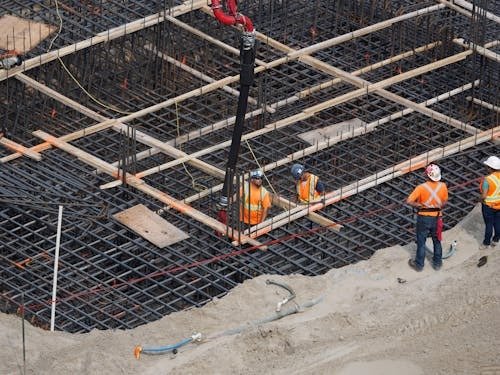
India’s climate is a mix of a lot of things,so picking the right cement type is never just a “one size fits all” kind of step. The weather around a site can quietly decide how well the structure behaves later.
Hot and Dry Regions
In places like Rajasthan, and some regions of Gujarat, temperatures can shoot up and the air stays pretty dry. Here , OPC cement is often chosen because it tends to set faster and gives strong early performance, which helps during active construction phases.
Coastal Areas
Now if you’re working near coastlines like Kerala, Tamil Nadu, Goa, or coastal Andhra Pradesh, humidity tends to stay high and salt exposure becomes a real concern. In these cases, PPC cement usually performs exceptionally well since it offers better resistance to chlorides and sulphates, so corrosion risks are kept lower.
Cold Weather Regions
For colder, mountainous zones such as Himachal Pradesh, Uttarakhand, and Jammu & Kashmir, PPC cement is commonly preferred. Its strength development is more gradual,so you often get more consistent long-term durability when temperatures swing over time.
Urban Housing Projects
In metro cities and fast-growing urban pockets, contractors often go with PPC cement for residential builds. Reason being its durability, overall cost comfort, and the fact that it’s seen as more eco-leaning compared to some other options.
Factors to Consider Before Choosing Cement
Before you finalize a brand, you should look at several practical points.
The structure type, the loads you expect, how the environment will affect the site, the project timeline, and the available budget , all matter a lot.
If your plan needs quick progress and higher early strength, OPC cement can fit better. But if you care more about durability, stability, and long-run results, PPC cement generally gives more convincing outcomes.
Also today, lots of builders lean toward online cement buy options, mainly because they can compare brands, specs, and pricing more efficiently. Plus you can arrange delivery to the site without the usual unnecessary delays.
Growing Demand for Bulk Cement Purchasing
As projects get bigger and more planned, more contractors and developers are moving toward bulk cement procurement online.
Buying cement in bulk can help with better rates, steady supply, less transportation hassle, and smoother project control overall.
Online procurement platforms have also made it easier to purchase, letting customers access trusted brands and have cement delivered directly at construction sites, with fewer interruptions.
Which Cement Should You Choose?
There isn’t a universal winner, because each project has its own conditions and goals.
Pick OPC cement when you need fast strength gain, quicker construction cycles, and strong load-bearing capacity.
Pick PPC cement when durability, moisture resistance, sustainability, and cost-effectiveness are your main priorities.
For many residential construction projects across India, PPC cement has become the more popular selection, largely due to its strong long-term performance and environmental advantages.
Final Thoughts
Both OPC and PPC cement are important in modern construction. OPC tends to deliver impressive early strength and faster setting, while PPC focuses more on long-lasting durability, better resistance to environmental challenges, and a more sustainable approach.
When you understand the differences between them, homeowners, builders, and contractors can make better decisions. Match the cement to your project needs, the climate around the site, and your budget, and you can build structures that stay stronger, safer, and in service for longer.