The construction industry is evolving kinda fast, you know, because sustainability is becoming a priority not just for homeowners but also builders and developers too. Modern construction isn’t only about strength, and durability anymore, it’s more like a balanced thing where you try to lower environmental impact and still make structures that last for generations. From energy-efficient designs to responsible sourcing of materials, every call made during the build, can nudge the whole project toward a greener future.
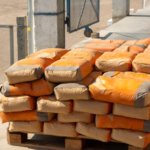
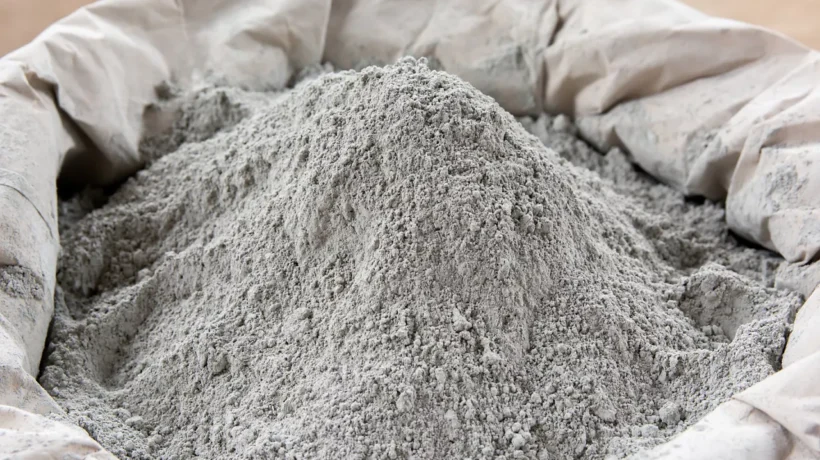
One of the most important parts of sustainable construction is picking high-quality building materials. Cement, the backbone of basically almost every construction project, affects both structural performance and environmental impact at the same time. Nowadays,online cement buying makes it simpler for customers to reach trusted brands, compare options, and choose what fits best, while also supporting smoother project management.
Why Sustainability Matters in Construction
Buildings use a lot of natural resources across their lifecycle, from producing construction materials to the energy consumed during everyday occupancy. Sustainable construction tries to minimize waste, reduce carbon emissions, boost energy efficiency, and stretch the lifespan of structures as much as possible.
A sustainable building should protect the environment, sure, but it also helps lower maintenance costs and improves the comfort of the people living or working inside. And as climate change awareness keeps growing, more builders are weaving environmentally responsible practices into residential, commercial, and industrial projects, without making it feel like extra work.
The Role of Quality Building Materials
Eco-friendly construction really starts with choosing materials that are durable, efficient, and responsibly manufactured. When you pick high-quality cement, steel, aggregates, and other key construction materials, you end up with stronger structures that tend to need fewer repairs later on.
Durable materials extend the life of buildings, meaning less reconstruction, and fewer natural resources getting used up. Plus, investing in quality products can reduce maintenance spending while supporting overall structural safety.
Choosing reliable materials from trusted manufacturers is still one of the most effective ways to back sustainable construction, even when the project is moving at full speed.
Modern Cement Manufacturing Is Becoming Greener
The cement industry has made progress in shrinking its environmental footprint. A lot of manufacturers now use cleaner production technologies, improve energy efficiency, and add supplementary materials into cement production, which helps cut carbon emissions. Practices like using industrial by-products, optimizing fuel consumption and putting money into renewable energy are all helping push the sector toward being more environmentally responsible.
These changes let builders use high-performance cement while still aligning with wider sustainability goals, without sacrificing structural strength.
Benefits of Buying Cement Online
Digital tools have made purchasing construction materials less of a headache. Instead of driving around to multiple dealers, customers can compare brands, specs, and pricing from one place, quickly and with less stress.
Buying online also increases transparency, and it allows buyers to review detailed product information before placing an order. Contractors especially find this helpful, because they often manage multiple sites and need to save time in-between tasks.
A lot of online suppliers even offer doorstep delivery, so projects can stay on schedule while reducing the hassle of sourcing materials from scattered locations.
Choose the Right Cement for Your Project
Not every construction project needs the same type of cement. Residential buildings, commercial complexes, industrial facilities, and infrastructure projects frequently require different cement grades based on structural expectations and performance needs.
Talking with engineers, or other construction professionals before buying helps make sure the cement matches the project’s specifications. When the correct cement is used, you improve strength, durability, and long-term performance, and you also reduce the chances of future repairs turning into a recurring problem.
Reduce Construction Waste Through Better Planning
Sustainability is not only about selecting eco-friendly materials, it’s also about minimizing waste during construction.
Good planning helps estimate the exact cement quantities and other materials needed for each phase. When procurement is accurate, it reduces unnecessary purchases, minimizes storage problems, and keeps excess materials from being thrown away.
Digital ordering platforms can also help contractors track inventory more effectively, so materials are purchased only when they’re actually needed, not earlier, not too late.
Importance of Responsible Material Storage
Even the best cement can lose effectiveness if it’s stored badly.
Cement should be kept protected from moisture, stored in dry, elevated areas, and placed where ventilation is adequate. If cement gets exposed to water or humidity before use, its strength can drop, and construction quality might be affected in the real world, not just on paper.
When ordering online, choosing suppliers with proper storage facilities and dependable transportation helps ensure materials arrive in good condition.
Sustainable Construction Goes Beyond Materials
Green construction is more than just choosing “environment-friendly” products. Energy-efficient building design, proper insulation, natural lighting, rainwater harvesting, and renewable energy systems all help reduce environmental impact.
Builders are increasingly pairing these approaches with durable construction materials, so the buildings end up using fewer resources across their lifespan.
Long-lasting structures typically require fewer repairs, which also means less construction waste, and that’s why durability should be viewed as a key part of sustainability.
Why Trusted Suppliers Matter
The quality of construction materials depends not just on the manufacturer, but also on the supplier, sort of always has two sides to it, you know.
A reliable supplier keeps inventory control on track, has clear pricing, provides genuine goods, and handles logistics smoothly. This way customers can avoid counterfeit materials and still get steady product quality, which is pretty important in real jobs.
Some online platforms partner directly with well-known manufacturers, so buyers get more assurance throughout the buying process, less guesswork, more clarity.
The Future of Sustainable Construction
In the future construction is going to keep leaning into innovation along with environmental responsibility, almost like it’s a rule now. Researchers are testing advanced construction substances that can boost longevity while also lowering the environmental footprint. Green concrete, reused construction materials, nano technology, self healing concrete, and renewable building supplies are expected to show up more often in upcoming projects.
Meanwhile digital procurement platforms are helping the construction supply chain run smoother, they improve availability, pricing visibility, and delivery coordination.
All these changes help builders finish tasks faster while still backing long term sustainability objectives.
Tips for Buying Construction Materials Responsibly
Before placing an order, buyers should look closely at the product specs, confirm manufacturer information, compare costs across trusted vendors, and then inspect the materials when they arrive. Buying through established online platforms makes it easier to cut down the risk of fake products, and it can also support on time deliveries.
With careful planning, sensible choices, and selecting quality materials, it becomes much easier to keep a construction project on track and successful.
Conclusion
Sustainable construction is no longer a “nice-to-have” it’s turning into the standard for modern building. By picking durable materials, reducing waste, improving energy efficiency, and teaming up with dependable suppliers, builders can create structures that help people, and also help the environment.
Digital procurement makes sourcing construction materials faster, more transparent, and frankly more practical than before. With cement online buying, homeowners, contractors, and developers can find quality products, compare well regarded brands, and streamline their purchasing flow while supporting efficient, sustainable construction approaches.
When you build responsibly today, you’re helping create sturdier, safer, and more eco friendly structures that will serve future generations.