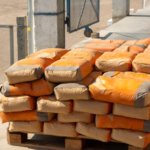
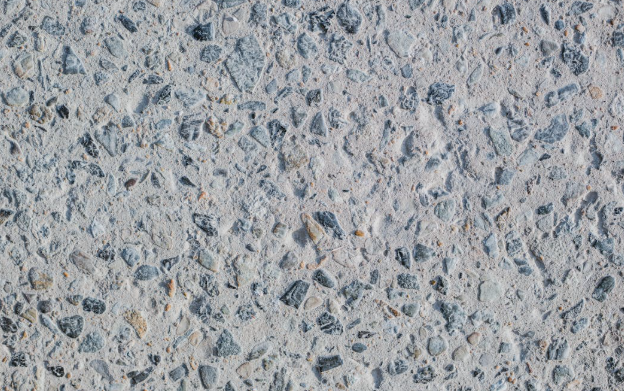
When you plan a construction project most people usually zoom in on the visuals i guess , design, materials, workers, and the budget line… all that. Still, there is one choice that often gets a bit sidelined , and honestly it shouldn’t: picking the right kind of cement. Whether it’s a brand new house, a shop or office space, a renovation, or an extension, buying cement online is basically the base layer that helps everything stay steady and in shape.
The quality, and also the type of cement you use can change a building’s strength, how long it lasts, and how well it survives day-to-day wear over the years. Problem is, lots of homeowners , contractors, and even solid experienced builders sometimes slip up during cement buying. These mistakes might feel small at first , but they can turn into costly patch jobs, weaker structural results, and ongoing upkeep headaches later on.
If you know the common cement mistakes people make while purchasing, you can improve the outcome of the build, and keep your investment safer for much longer.
Why Cement Selection Is a Big Deal
Cement is more than just some “glue”. It works as the binding element that holds together concrete, mortar, bricks, and other construction pieces. Pretty much every support-heavy structure needs cement to bring stability, and the load-bearing support it needs.
A cement product that matches the job can bring things like:
- Higher structural strength
- More long-term durability
- Better resistance against weather and environmental conditions
- Less frequent maintenance
- Stronger overall safety over time
But if you choose the wrong cement , or something low quality, you can undermine construction quality and create future troubles that are not fun to fix.
The Risks You Don’t See Right Away
A lot of construction failures can be linked to picking the wrong materials. With cement, the damage may not show in the first days. Over time, though, problems start showing up, and they’re usually harder to correct.
Typical issues tied to improper cement choice include hairline and bigger wall cracks, surface breakdown, water seepage, reduced ability to carry loads, and premature aging of the structure. In worse scenarios, the safety of the entire building can get compromised.
For homeowners that often means unexpected repair bills and weaker resale value. For contractors, it can hurt reputation, lower client confidence, and cost you future work.
Not Really Understanding Cement Grades
One of the most frequent buying problems is choosing cement without taking the cement grades seriously , and without checking what each grade is actually meant for.
Different grades are made for different construction needs. Some focus on early strength, while others are designed to be tougher against the environment, and last longer.
For instance, projects like high-rise buildings, industrial sites, and heavy-load structures often call for high-strength cement. For residential work, plaster jobs, and masonry tasks, alternative cement formulations are usually preferred for better long-term performance and easier workability.
If you use a grade that doesn’t fit, you may see weaker results and also waste money because the system isn’t running efficiently. Getting the right cement type for the job is usually the best route.
Choosing Based on Price Only
Budgets matter, but paying attention only to the cheapest cement is a common mistake.
Some buyers treat all cement like it’s basically the same, then grab whichever bag looks cheapest. Yet low cost can sometimes reflect inconsistent production, weaker quality control, or reduced performance properties.
Quality cement is really a long-term investment, not a “buy once, forget it” expense. That little saving up front can easily turn into much higher repair and maintenance spending later.
Manufacturers that are well known typically put serious effort into quality assurance, testing, and meeting industry requirements, so batches stay consistent.
Forgetting to Check Freshness and Dates
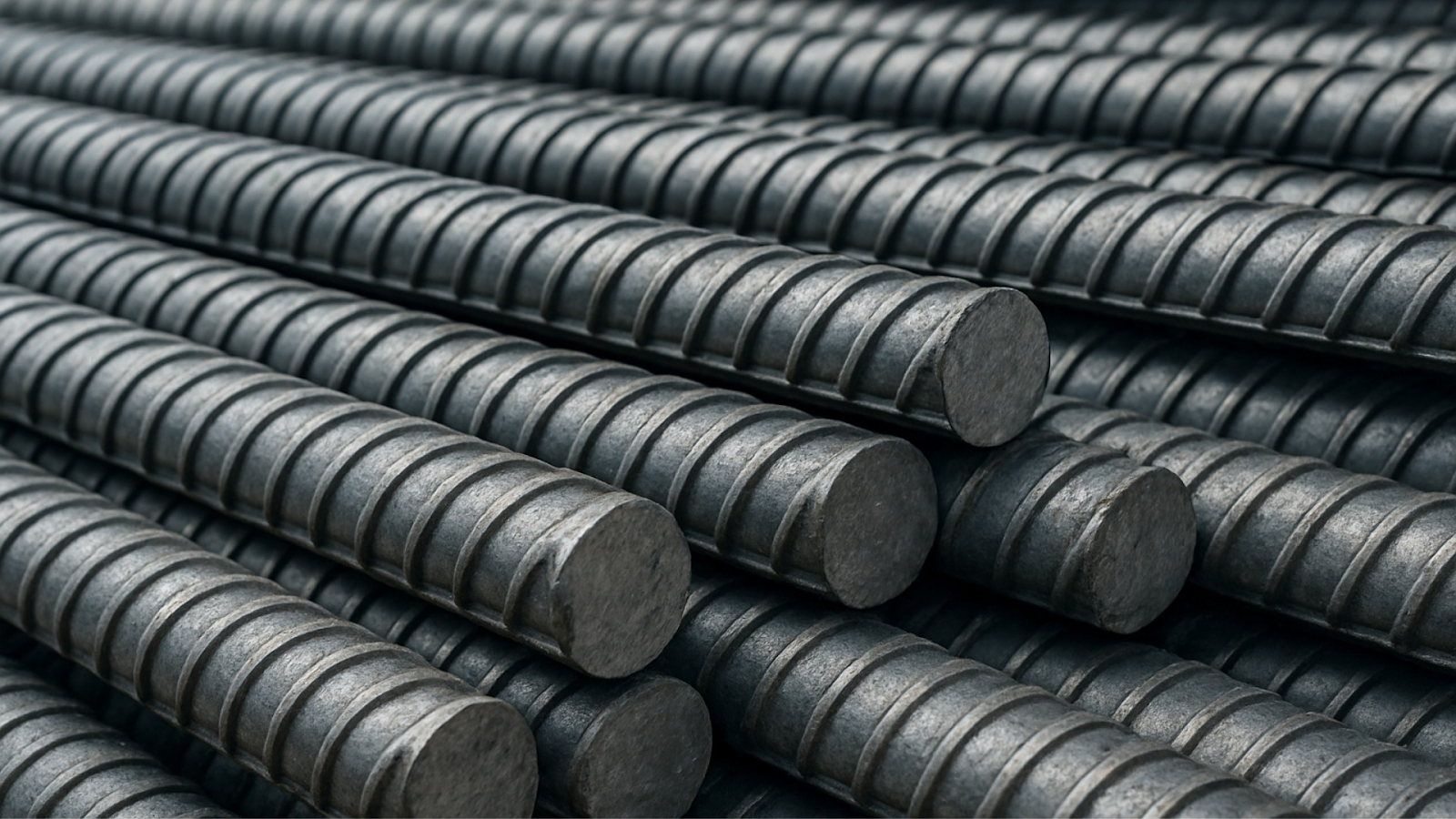
Many people skip checking the manufacturing date before they pay and load the bags.
Cement isn’t forever fresh. As it sits, it slowly loses some of its bonding strength, especially if storage wasn’t great. Older cement may not reach the same strength and durability you’d expect from cement that was made recently.
Before buying, look at the packaging, and confirm the manufacturing date. Fresh cement usually supports better results and stronger builds.
Also make sure the bags aren’t showing signs of moisture exposure or lumps. Either one can hint at early deterioration.
kipping Basic Quality Checks
Surprisingly, a lot of buyers don’t even bother with basic checks before using the cement.
While lab testing is best for large sites, simple inspections still help spot red flags. Good cement should look smooth and not packed with excessive lumps. The packaging should clearly show relevant certification marks and compliance details.
Buying from reputable suppliers also lowers the chance of counterfeit or underperforming cement.
Small checks done before construction starts can stop major issues from later turning into expensive delays.
Not Matching Cement to the Actual Project Needs
Different construction phases often need different performance traits from cement.
Foundation work, roofing, structural concrete, masonry, and plastering don’t always require the same behavior from the material. Still, many buyers pick one cement type and use it across everything, without thinking about the differences.
Construction professionals usually review factors like strength targets, how much environmental exposure it will face, curing conditions, and how long the structure is expected to last before choosing.
If you consult an engineer or a construction specialist, it becomes easier to confirm the selected cement lines up with the real demands of the project.
Improper Storage After Purchase
Even premium quality cement can lose its strength if it is stored a little wrong, or just “not quite” the way it should be.
Moisture exposure is easily one of the biggest threats to cement quality. Once the cement soaks up moisture from the air, chemical processes start earlier than they should, and that tends to drop both its strength and its workability, overall.
To keep things right, cement should sit in a dry, covered place, with ventilation that actually moves air around. The bags are best placed on raised platforms, not on the ground, and of course protected from water penetration—yes even small leaks count, sometimes.
When you store it properly, performance is preserved and the material stays useful until the moment it gets used, not before.
Overlooking Environmental Conditions
Construction sites are never the same, they deal with different environmental pressures depending on where they are located.
Humidity, temperature swings, rainfall, even soil composition can all influence how bulk cement online behaves, over time. Coastal areas, for instance, often bring higher moisture levels and salt content, so you might need materials with stronger durability traits, that kind of thing.
If you ignore what the local environment is doing, deterioration can speed up and the service life of the structure can shrink, quietly.
Choosing cement that fits site specific conditions helps with long term performance and a more resilient build.
Depending Solely on Seller Recommendations
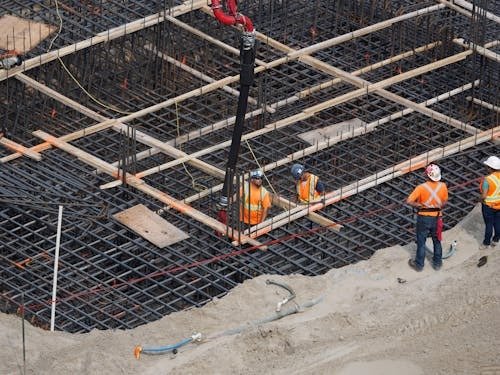
Suppliers matter, no question. But leaning only on sales talk and product suggestions doesn’t always steer you toward the best decision.
Every construction job comes with its own technical reality. Builders, architects, structural engineers, they have specialized know how that helps decide what materials actually fit the application, not just what is easy to get.
Getting professional advice means your purchasing call is grounded in engineering needs, rather than general product availability, or whatever sounds good that day.
Smart Tips for Choosing Cement
Making informed purchasing decisions can really lift construction quality and support project success.
Buy only from reputable suppliers, the ones with a solid reputation in the market. Before you finalize the order, confirm manufacturing dates, check quality certifications, and inspect the packaging condition. Also match the cement grade and type to the project needs, not just to the price tag.
After that, good storage, expert input, and paying attention to local environmental conditions can further support structural performance, plus long term durability.
Conclusion
A construction project succeeds when the materials are right, and cement is still one of the most important pieces of the puzzle. Small mistakes during the purchasing stage can end up showing later as durability problems, safety risks, and higher maintenance expenses.
When homeowners and builders learn the common cement buying errors and take a more informed, thoughtful approach to material selection, the result is stronger, safer, and longer lasting structures.
A well built property starts with smart decisions. Choosing the right cement today helps protect your investment for years, and it gives that confidence that your construction project is really built on a solid foundation.