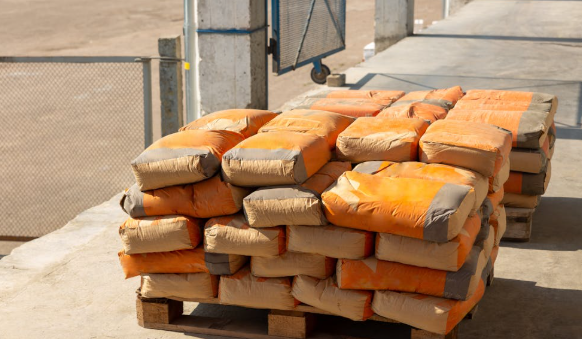
Building a home or commercial property is like one of the biggest money moves most people ever make, during their entire lifetime or so it feels. During construction, every single choice—yeah even small ones—can mess with safety, durability, and the long-term value of the structure. Sure, good planning and skilled workmanship really matter, but honestly, the construction materials quality thing is just as crucial. Still, fake or low-grade building materials keep sneaking into the market, and that creates serious problems for homeowners, builders, and developers.
Bad cement, questionable steel, flimsy bricks, weak aggregates, and other materials might look like they will lower costs upfront, but later you end up paying for repairs, structural weaknesses, and buildings that don’t last as long. When projects get bigger and the requirements get tougher, picking real materials from trusted suppliers has become kind of non negotiable.
Digital procurement is also changing the whole shopping process. Nowadays, many contractors and homeowners prefer to buy cement online. The reason is pretty simple, it often gives more transparency, verified suppliers, and better control over procurement, in general.
Why Cement and Other Materials Quality matters
A building really relies on a solid foundation and dependable structural parts. Cement helps bind concrete together, steel adds reinforcement, and the rest of the materials support overall stability. If even one important material is not up to the standards, the entire building’s performance can take a hit.
Real materials usually deliver better compressive strength, more durability, improved resistance to weather and other environmental factors, and longer service life. When you invest in quality products during construction, you often lower maintenance costs and stretch the property lifespan too.
The bigger headache: Counterfeit construction materials
As construction keeps growing across India, demand for building supplies has increased a lot. But that also means counterfeit and substandard products get more chances to enter the supply chain.
Fake materials might copy the look of famous brands, yet they don’t follow proper manufacturing standards. Some items are made with inferior raw inputs, and others might be stored wrongly before reaching customers. And sometimes, buyers can’t tell the difference until real construction issues start showing up.
So buying from reliable suppliers is one of the best ways to cut down that risk.
Common signs of low-quality cement (before you use it)
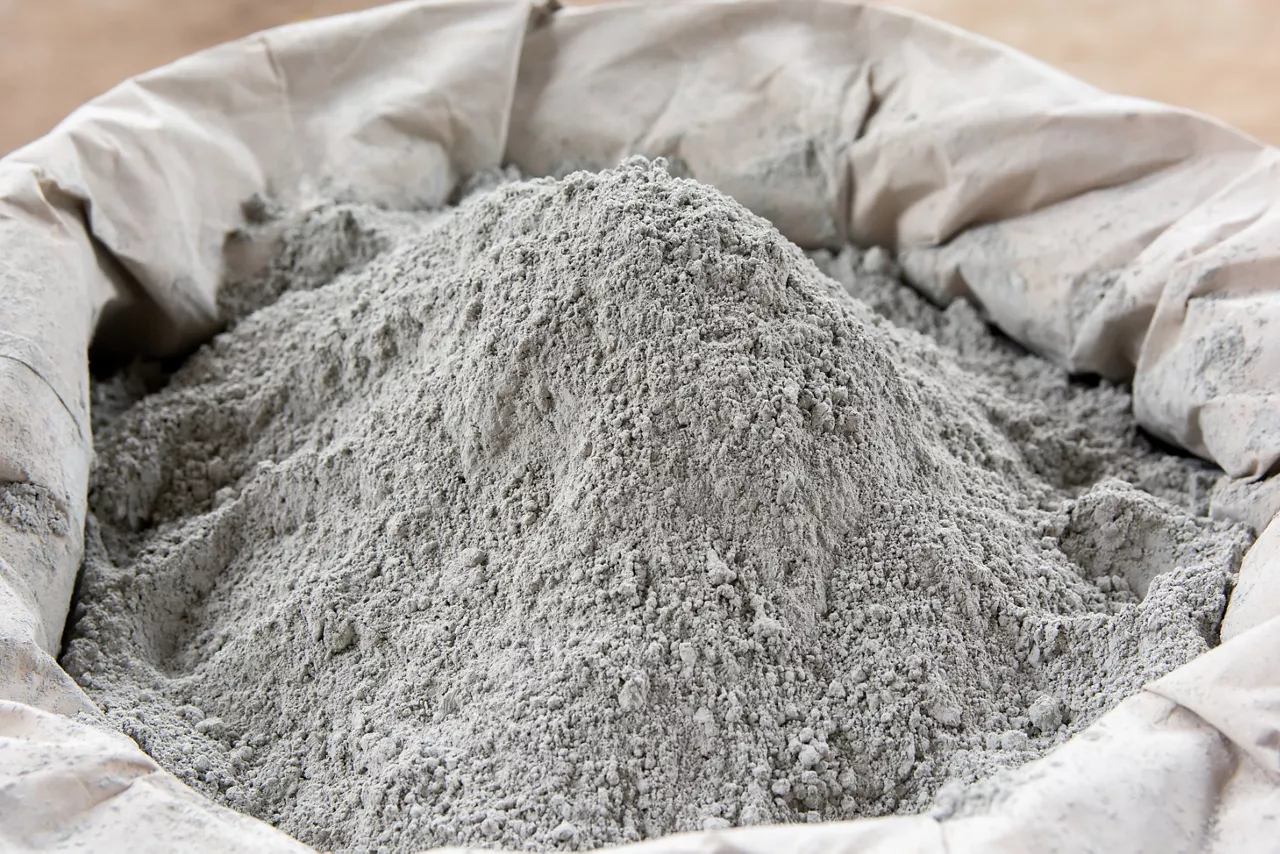
Lab testing by professionals is the most accurate way, but there are also a few practical checks you can do first.
Good fresh cement should have a smooth texture, with no excessive lumps or hardened bits. The packaging needs to stay sealed properly, and it should show clear manufacturing details. Bags that look damaged, strangely old, or like they were stored carelessly may be a warning sign.
Also check manufacturing dates, because cement slowly loses strength if it sits too long, especially in humid conditions.
Verify the source before purchasing
The supplier matters more than people think. Even branded material can lose its effectiveness if it was stored incorrectly before delivery.
Solid, experienced suppliers keep good storage facilities, rotate inventory regularly, and procure products directly from authorized manufacturers. They’ll also share proper documentation so customers can confirm authenticity.
When you choose a trusted supplier, you get more confidence that the construction materials actually meet the required quality standards.
Don’t just go for the lowest price
Budget matters, but picking materials only because they are cheap can turn into an expensive mistake. Low prices can sometimes signal poor-quality goods, counterfeit items, or improper storage conditions somewhere along the way.
Yes, better construction materials might cost slightly more at the start, but they often cut down long-term repair expenses and improve structural safety and durability.
The real cost of construction should include the expected lifespan of the building, not only the initial purchase price.
Proper planning improves material quality
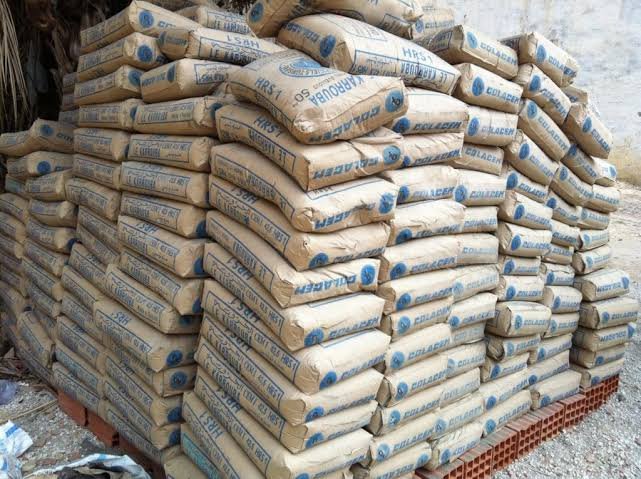
Construction projects often get into procurement trouble when materials are bought without proper planning. If someone purchases at the last minute, there’s a higher chance they accept whatever is available, rather than carefully picking trusted brands.
Planning procurement based on the construction timeline helps builders get fresh materials while avoiding unnecessary storage time.
For bigger residential and commercial work, many teams place bulk cement order online, because scheduled deliveries help fresh inventory arrive right when it’s needed during the different project phases.
Storage conditions matter a lot
Even premium construction materials can deteriorate if stored incorrectly after delivery. Cement absorbs moisture from the environment, which reduces its performance before it gets used. Poor handling can also create hard lumps, and those lumps can impact the concrete strength later.
Materials should always be protected from rain, humidity, and direct contact with the ground. Good storage preserves quality, and it reduces unnecessary waste during the project.
Builders should also organize stock so older material gets used first, instead of letting newly delivered cement sit around.
Inspect materials before accepting delivery
A lot of construction problems can be avoided just by inspecting materials right after they arrive. The packaging should look undamaged, manufacturing dates should be recent, and the products should match the original order specifications.
Visual inspection helps identify transportation damage moisture exposure or wrong deliveries before materials actually become part of the construction workflow. Some simple quality checks save time, cut down project risks, and boost confidence across the whole procurement cycle.
Digital Procurement Is Improving Transparency
Technology has been reshaping the construction industry, by making procurement quicker more structured and yes… more transparent. Through online purchasing platforms customers can compare products, read specs, confirm suppliers ,and keep an eye on deliveries all from one dashboard.
A lot of contractors now prefer online cement booking because this digital procurement method makes the purchasing part easier while also improving visibility into product availability pricing and delivery timelines.
Digital platforms also keep purchasing records in a clean organized way, which supports better inventory management, and helps with future procurement planning too.
Working with Trusted Suppliers Creates Long-Term Value
Trusted suppliers do more than just drop off materials. They help customers choose the right products, keep inventory steady and make sure delivery schedules are reliable so project management runs smoothly.
Suppliers that are experienced know the realities of construction requirements and they often support procurement planning as well, which reduces needless delays and keeps product quality consistent across the entire project.
And over time, long-term partnerships with trusted suppliers help builders keep strong construction standards while also improving overall operational efficiency.
Quality Construction Begins with Quality Materials
Every good building project is basically the outcome of decisions made throughout the construction process. Picking genuine construction materials safeguards structural integrity, lowers future maintenance needs, and extends the building’s overall lifespan.
Good materials also give more peace of mind to homeowners, developers ,and investors who expect their properties to stay safe and durable for many years.
Of course cost matters, but quality should always stay the top priority when purchasing construction materials.
Conclusion
Fake and low-quality construction materials create serious problems for both residential and commercial projects. Choosing trusted suppliers, verifying product authenticity, inspecting deliveries, and storing materials properly are essential steps to protect construction quality. Thoughtful procurement planning also helps builders avoid unnecessary schedule slip-ups while keeping fresh materials available during every stage of the job.
Modern digital procurement has also made the purchasing experience smoother by improving material sourcing transparency and efficiency. When homeowners and construction professionals invest in genuine products and follow responsible procurement practices, they can build sturdier, safer, and longer-lasting structures while protecting the value of that investment for years ahead.