Online purchase of construction supplies is moving fast and honestly, cement is not left out, either. Now, homeowners, contractors and builders can do comparisons, check rates, and submit orders pretty much from their own spaces. The whole online cement buying convenience feels like it saves time, and it can make the procurement side feel simpler.
Still, cement is one of those crucial materials on any site. The grade and overall quality of the cement matters a lot, because it affects strength, how long it lasts, and how durable the final structure ends up being. And unlike some items people casually buy online, the wrong cement choice can cause structural problems, expensive fixes later on, and more long term maintenance worries too.
Before you place an order, it’s worth taking a few moments to sort out what actually matters, so you get reliable cement for your project, not a regret later.
1. Confirm the Supplier’s Authenticity
One of the main worries when buying cement online is making sure the product is coming from a real, authorized source.
Not every online seller treats cement the same way, especially when it comes to storage, handling and distribution. Some suppliers might keep the cement poorly stored, or they might move it late, after it’s been sitting in a warehouse for a long time. In those cases the cement may not behave the way you expect once construction starts.
When you buy cement online, check if the seller is an authorized distributor or dealer. Good suppliers usually show brand details, genuine packaging, and delivery steps that feel clear and traceable.
Also, a dependable online cement platform should list product specifics, brand information, and real customer support contacts. Even a quick check can help you dodge quality problems and keep your project calmer overall.
2. Pick the Correct Cement Type
A lot of people assume cement is cement, but that’s not quite how it works. Different jobs need different types of cement, depending on the use.
For example, cement meant for foundations often isn’t the best match for plastering or masonry. Some work needs extra durability, others lean more toward better workability, or resistance to environmental strain.
Before buying, read the description carefully and understand what it’s intended for. Whether you’re building a house, renovating, or running a commercial job, choosing the right cement type is basically required if you want results that align with the plan.
A solid online platform should provide enough detail on each product so customers can choose based on their project stage, not just on a vague label.
3. Don’t Treat Price as the Only Signal
Sure, comparing costs is normal, but cement should never be picked only because it looks cheapest. Price differences can show up due to manufacturing quality, raw material sourcing, transportation costs, packaging standards, and brand credibility. Cheaper cement might not deliver the same consistency, strength, or long term durability compared to higher quality options.
Buying quality cement often gives stronger results and less maintenance cost down the road. The initial price gap may look big in the moment, but later it can be much smaller than the value you get. When reviewing choices, lean on overall quality, brand reliability, and customer feedback more than only the price per bag.
4. Watch Delivery and Storage Conditions
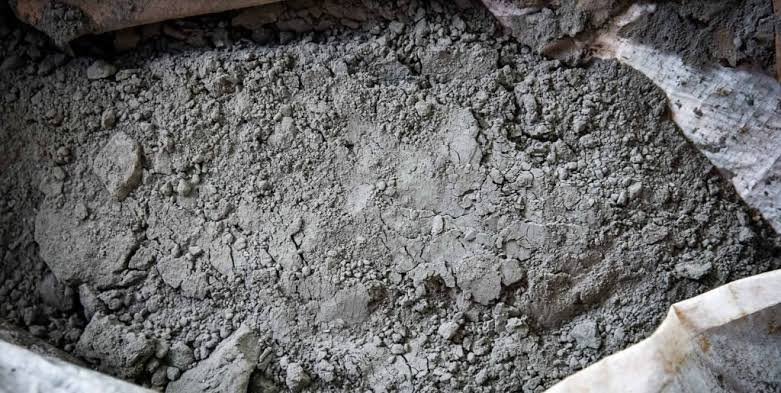
Cement reacts badly to moisture and exposure. Even a little humidity can reduce quality before the material reaches the job site. Before completing your order, confirm how the supplier handles transportation and delivery. Reliable sellers protect cement bags from rain, moisture buildup, and rough handling during transit.
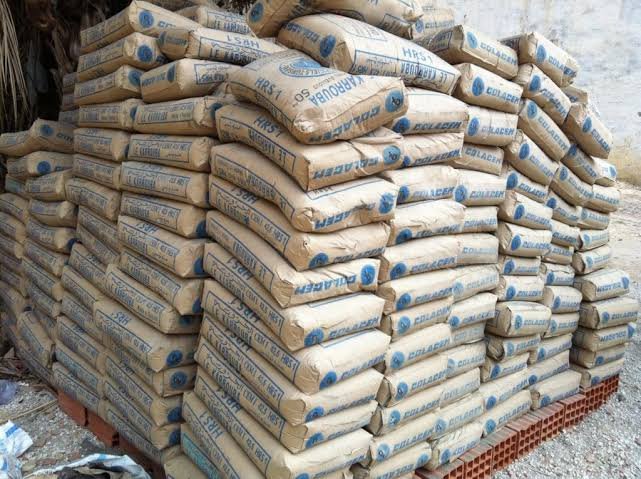
After the shipment arrives, storage matters just as much. Cement needs to be stored in a dry, covered area, and it should not be sitting directly on the ground. Stack bags cleanly and use them in the order they arrived so freshness is kept as much as possible.
A trustworthy online cement supplier understands these points and follows the usual industry practices to protect the product during the whole delivery process.
5. Get Expert Support When Needed
Buying cement isn’t just clicking “place order”. Construction projects tend to come with questions about quantity calculations, choosing the right product, storage methods, and how to apply it properly.
If the online platform includes expert guidance, it can actually help a lot during the build. Having access to knowledgeable support teams makes it easier to buy correctly, and reduces the chance of common mistakes. This can be especially helpful for first time home builders who might not yet know much about different cement grades and job requirements.
A credible online cement buying site should offer customer assistance, clear product details, and guidance whenever questions show up.
How to Buy Cement Online Safely
To make the buying process smoother, follow these steps before you finalize anything:
- Make sure the supplier is genuine and reputable
- Choose the right cement type for your specific job
- Compare overall quality, not only price
- Confirm delivery timing and how the cement will be handled
- Store cement correctly right after delivery
- Read product specifications before making the final decision
These steps can reduce the risk of construction issues later, and they help you buy with more confidence.
Final Thoughts
Buying cement online offers flexibility, speed, and access to many brands and options. But the real success depends on making informed choices, not just ordering quickly.
If you go with a trusted supplier, pick the right cement type, focus on quality more than the discounts, make sure the material is stored the right way, and ask for expert guidance when it’s truly needed, you can safeguard your investment and actually build with peace of mind.
A sturdy build starts with solid components, so getting cement from a reliable online shop is often a first step that really matters. It sets the tone, honestly, for how the whole project later turns out.
Frequently Asked Questions
Q1. Is it safe to buy cement online?
Yes. It can be safe, if you buy from a verified supplier that keeps proper storage, handling, and delivery procedures in place.
Q2. How can I check if the cement supplier is genuine?
Start by looking at company details, real customer reviews, proper contact information, and clear product specifications. Reputable vendors usually stay transparent and they also offer customer support if you have questions.
Q3. Does buying cement online help save money?
Often, yes. Online platforms make it easier to compare products and prices. Still, you should weigh reliability and quality right next to the cost.
Q4. What should I check when the cement is delivered?
Check the packaging first for any damage, confirm the bags are dry, and confirm the cement matches the exact specs from your order before you accept delivery.
Q5. How should cement be stored after it arrives?
Keep it in a dry, covered location that’s out of reach of moisture. Raise the bags off the ground, then protect them from rain and humidity, because cement hates that.
Q6. Why does choosing the correct cement type matter?
Because different jobs require different cement properties. When you use the correct variant, you tend to get better strength, improved durability, and stronger long-term performance.