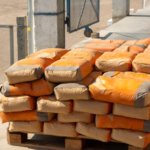
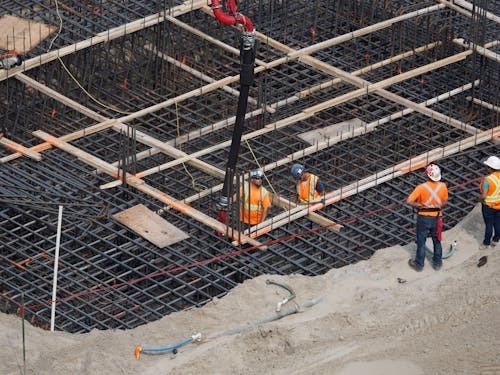
Cement is like, one of the main things in construction, you know, used all over the place, and it matters a lot because if you pick the wrong one you’ll feel it later. Whether you are making a house, a shop space commercial property, an industrial facility, a bridge, or some big infrastructure project, choosing the right cement type is kind of essential. It affects strength, long-term durability, and how the whole structure behaves over time.
Different jobs need different cement behavior. Stuff like weather conditions, soil type, how it will face chemicals, setting time, and what the structure must handle, all those things change which cement makes sense. So, knowing the types of cement available in India can help builders, contractors, engineers, and even homeowners, make better decisions without guessing too much.
At Online Cement Buying, customers can browse a broad collection of premium cement from top manufacturers, so it’s easier to choose the right cement, for whatever construction need comes up.
Understanding Cement Grades
Cement grades basically tell you the compressive strength you get after 28 days of curing. This strength is measured in megapascals (MPa) and it really guides which cement fits which construction to use.
The most used cement grades in India are usually:
- OPC 33 Grade
- OPC 43 Grade
- OPC 53 Grade
- PPC Cement
- PSC Cement
In general, higher grade cement gives more strength, so for heavy-duty work people often prefer it.
Major Types of Cement Used in India
In India, the construction sector uses multiple cement varieties, each made for particular engineering and build needs.
1. Ordinary Portland Cement (OPC)
Ordinary Portland Cement is probably the most common cement you’ll find in India. It comes in grades like 33, 43, and 53 Grade.
OPC is made by grinding clinker along with gypsum, this creates a strong binding material meant for general construction tasks.
Uses of OPC Cement
Residential buildings, commercial structures, bridges, roads, reinforced concrete structures
General construction projects as a whole
Because it has comparatively high early strength, OPC is often chosen when faster progress is required on-site.
2. Portland Pozzolana Cement (PPC)
Portland Pozzolana Cement is produced by mixing Portland cement clinker with pozzolanic materials, things like fly ash.
PPC is valued for better durability, less heat during hydration, and stronger resistance to chemical attacks.
Uses of PPC Cement
- Residential construction
- Masonry work
- Plastering
- Hydraulic structures
- Dams
- Marine structures
Concrete exposed to aggressive environments. PPC is frequently picked for long-run performance and sustainable build approaches.
3. Portland Slag Cement (PSC)
Portland Slag Cement includes granulated blast furnace slag, which boosts durability and helps it handle tough environmental conditions.
PSC is being used more in modern infrastructure because it shows strong long-term results.
Uses of PSC Cement
- Coastal construction
- Marine projects
- Foundations
- High-strength concrete
- Mass concrete works
- Water-retaining structures
PSC works very well when structures face seawater or chemical exposure.
4. Rapid Hardening Cement
Rapid Hardening Cement gains strength much quicker than ordinary Portland cement. Because of that, it’s suited for projects where early strength gain is a big deal.
Uses of Rapid Hardening Cement
- Road construction
- Precast concrete products
- Electric poles
- Pavement repairs
- Cold weather concreting
It helps structures become operational sooner, rather than waiting too long.
5. Extra Rapid Hardening Cement
Extra Rapid Hardening Cement is made by adding calcium chloride to rapid hardening cement.
It develops strength even faster than standard rapid hardening cement.
Uses of Extra Rapid Hardening Cement
- Emergency repair works
- Fast-track construction projects
- Cold climate construction
- Industrial flooring
This cement is the pick when rapid strength development is needed within a very short timeframe.
6. Low Heat Cement
Low Heat Cement is designed to reduce heat generation during hydration. That lowers the chance of cracking in large concrete elements.
Uses of Low Heat Cement
- Dams
- Large foundations
- Raft slabs
- Retaining walls
- Massive concrete structures
It’s commonly used where large volumes of concrete are involved.
7. Sulphate Resisting Cement
Sulphate Resisting Cement has a lower proportion of tricalcium aluminate, so it resists sulphate attacks much better.
Uses of Sulphate Resisting Cement
- Foundations in sulphate-rich soil
- Sewage treatment plants
- Marine structures
- Underground construction
- Coastal projects
This option helps extend the lifespan of structures under harsh conditions.
8. Quick Setting Cement
Quick Setting Cement sets faster compared to ordinary cement, so it suits urgent construction situations.
Uses of Quick Setting Cement
- Underwater construction
- Bridge repairs
- Tunnel works
- Emergency repair projects
- Grouting operations
It’s useful when work must proceed without delay.
9. Blast Furnace Slag Cement
Blast Furnace Slag Cement delivers strong durability and resists chemical attack very effectively.
Uses of Blast Furnace Slag Cement
- Ports
- Harbors
- Dams
- Tunnels
- Retaining walls
- Water treatment facilities
It’s widely used in major infrastructure work, especially where performance matters a lot.
10. High Alumina Cement
High Alumina Cement contains a higher amount of alumina, so it gives exceptional strength along with heat resistance.
Uses of High Alumina Cement
- Marine construction
- Sewer systems
- Refractory concrete
- Industrial furnaces
- Chemical plants
This cement performs extremely well in high-temperature conditions. Other important types of cement, yeah
Besides the variants that most people already know and use, India also relies on a bunch of more specialized cement types, depending on what’s being built.
White cement
This one is mainly for decorative stuff, flooring, wall finishing, and architectural projects where the look really matters.
Hydrophobic cement
Made to resist moisture during storage and transportation, so it’s a good fit for areas that stay humid, even when materials sit for a while.
Masonry cement
Mostly used for brickwork, plastering and other masonry works, it’s pretty practical in everyday site conditions.
Oil well cement
This is specially formulated for oil and gas wells, where the cement has to handle high temperatures and heavy pressures down the line.
Colored cement
Used for decorative flooring, facades, landscaping, and overall architectural aesthetics, basically where appearance plus performance both matter.
Waterproof cement
Great for water tanks, basements, swimming pools, roofs, and any structure that needs water resistance built into it.
Air entraining cement
It has air-entraining agents, which help the mix stay workable, and also boosts resistance under freeze-thaw kinds of conditions.
How to choose the right cement (not just grab any)
Picking the right cement is based on several things, like what you’re actually building, and the environment around it:
Type of construction project
- Environmental exposure
- Needed strength
- Budget limitations
- Durability expectations
- Soil conditions
- Weather conditions
For residential buildings, OPC and PPC are usually the go to options. But for marine structures, dams, and industrial work, PSC, Sulphate Resisting Cement, or High Alumina Cement might work better depending on exposure levels and performance needs.
Also, it helps to talk with a structural engineer or a construction expert, they can guide you toward the proper cement selection for your specific case.
Conclusion
The Indian cement sector has a pretty wide range of cement types, each designed for different construction requirements. Whether it’s a regular home build or a major infrastructure development, choosing the right cement affects strength, safety, and long-term durability in a noticeable way.
When builders and homeowners understand what each cement type is best at, they can make more informed decisions, and usually get better construction outcomes overall.
With Online Cement Buying, customers can get high quality cement products from trusted brands across India, so it’s easier to find the ideal solution for every kind of construction project, big or small.